
The median price of an existing home in the United States is $429,300, but the median new home price in the U.S. is about $422,500, according to recent housing data. However, it is not always cheaper to build a house. If the land value is low, the customization requirements are high and the construction cost is low, it may be cheaper to construct a home.
The actual price, however, will still vary depending on the local market, permits, financing, and labour costs, as well as land prices. Many homeowners do not realize that there are factors to take into account if they aren’t aware of these. Here’s a comparison of the cost of building, the cost of existing homes and the cost of long-term upkeep and maintenance to help you make your decision.
Why Are More Americans Comparing Building and Buying Costs?
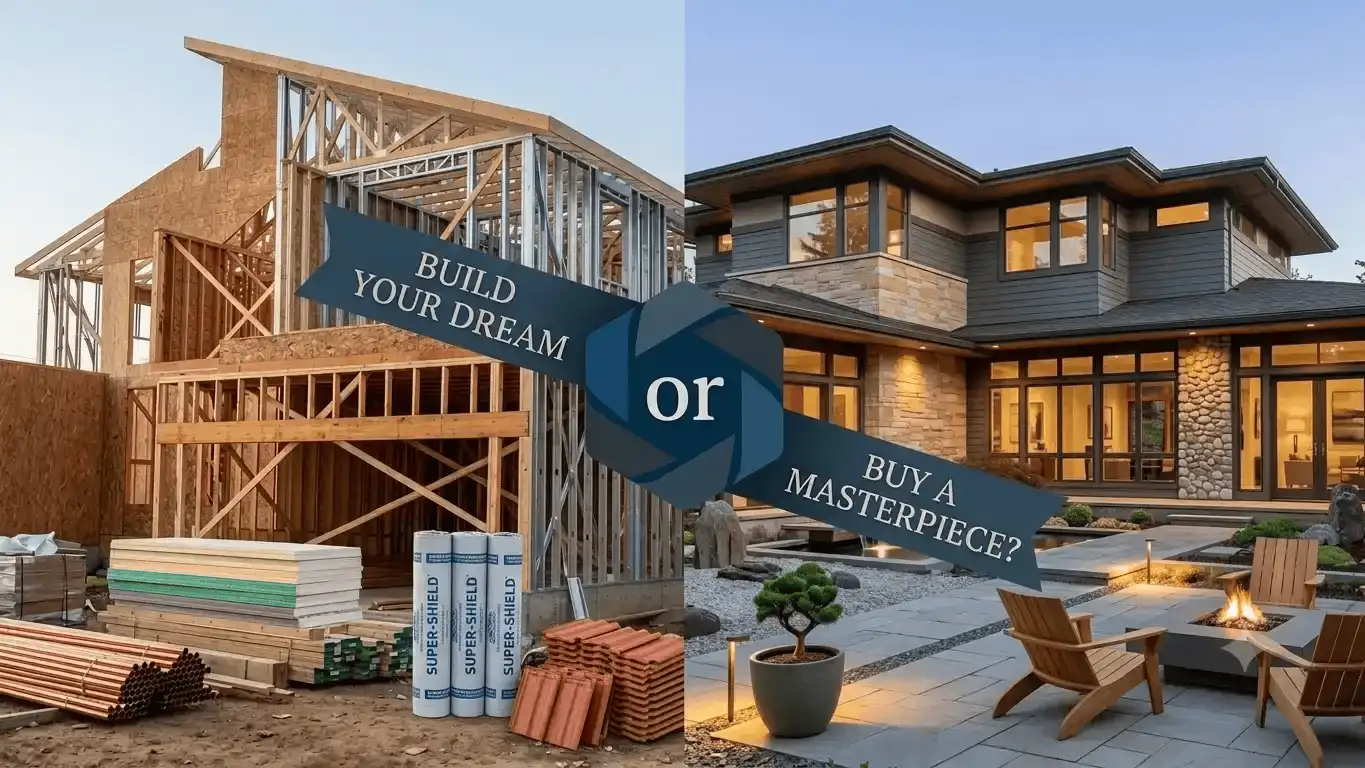
Across the nation, affordability of housing is a key issue. “With demand robust, existing home prices have risen in many markets, and labor and materials costs continue to be high, making the cost of construction high.” Consequently, in certain areas the building/buying ratio has decreased. Homeowners are now doing a much better job of comparing both options to the national average because many times the national average is not reflective of the local area.
Build vs Buy at a Glance
| Factor | Building a New Home | Buying an Existing Home |
| Average Cost of a 2,000 Sq Ft Home | $300,000–$700,000+ (construction only) | Around $429,300 |
| Cost Per Square Foot | $150–$400+ | Not Applicable |
| Land Cost | Purchased Separately | Usually Included |
| Financing | Construction Loan | Traditional Mortgage |
| Timeline | 7–16 Months | 1–2 Months |
| Initial Maintenance | Usually Lower | Often Higher |
| Customization | Full Control | Limited |
Both choices are not necessarily more inexpensive. They become a great alternative depending on one’s location, time and future interests.
Average Cost to Build vs Buy a House in the United States
The construction of a 2000 square foot house in lower cost areas at $150 to $200 per square foot would cost around $300,000-$400,000 without land costs. The cost of this home can easily be $500,000 to $700,000 in higher cost areas.
The average price for a house being built now is about $162 per square foot, but the median price of an existing home is still at approximately $429,300. In lower-priced markets, build may be as good and/or cheaper than buy, particularly if the owner of the house already owns the land. However, in other areas, such as high-demand metro areas, buying an existing home is still more affordable.
How Location Changes the Cost of Building a Home
One of the biggest contributors to the construction costs is its location.
| Region | Average Construction Cost Per Sq Ft |
| Midwest | $100–$200 |
| South | $109–$200 |
| West | $131–$280 |
| Northeast | $155–$350+ |
| Coastal Metropolitan Areas | $350–$450+ |
The cost of land, labour, permit and transport costs are quite different in different parts of the country. A house plan can be hundreds of thousands more expensive in California, New York or other expensive states versus Texas or Ohio.
Building Costs by Construction Phase
When looking for a new home, some homeowners only consider the builder’s estimate, and forget about some other costs.
Typically, building costs will comprise:
- Land Purchase
- Excavating and Grading the Site for Installation.
- Site Preparation and Grading.
- Permit ($10) and Inspection Fees ($25)
- Foundation Work
- Framing and Roofing
- Plumbing and Electrical systems
- Air Conditioning Systems and Refrigeration Equipment, Heaters and Coolers.
- Interior Finishes and Landscaping (Site 11)
Unexpected utility connections, inspections, site conditions and other factors can add 25% to 40% to the cost.
1. Why Early Cost Planning Matters Before Building a House
With accurate planning, homeowners can get an idea of the costs they can expect when construction starts. Residential estimating is used by many professionals to assist with cost estimation, material calculations, volume analysis and for project planning decision making. Initial estimates can help minimize budget shocks and enhance budget planning.
Smaller Homes and Their Impact on Overall Construction Costs
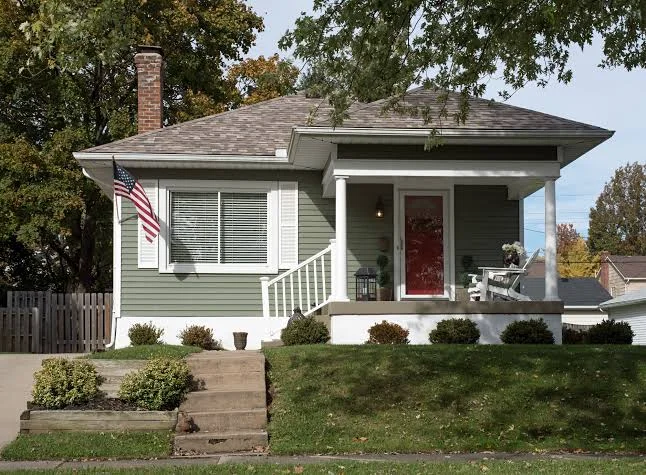
Smaller Homes will need less material and labor, thus lowering the overall construction cost. The price per square foot, however, may stay fairly high as it’s that some costs are not scale dependent for the home.
The fees for permitting, utilities and site preparation are approximately the same per square foot. This means that smaller homes can reduce overall costs, while maintaining a similar cost per square foot.
When to Build vs Buy | Choosing the Better Option
1. Building May Provide Better Value When
- Ownership of The Land Is Already Granted.
- Major Renovation of Existing Homes Is Needed.
- You Must Have a Particular Layout or Contemporary Design.
- There Is an Affordable Building Cost in Your Area.
- The House Will Be Used for A Long Period of Time.
2. Buying May Make More Sense When
- Must Work Quickly.
- House Prices Are Lower than For New Homes.
- The Land Is Very Costly.
- You Want to Know What to Expect in The Buying Process.
- You Would Like to Be Moved Into Your Home Right Away.
Either option isn’t necessarily the more affordable. There are no definitive answers, it will depend on each local market and individual financial objectives.
Financing Choices and Their Effect on Total Housing Costs
Usually, construction loans will have the following requirements:
- A Down Payment of 20% to 25%
- Increased Minimum Investment Amounts
- Interest Rates Start at About 6.7% and Go Up to 8.8%.
Owning a home during construction also has some homeowners continuing to pay rent or an existing mortgage. The carrying costs can make the final cost of the project a lot higher. Mortgages for existing homes are typically more straightforward, and start right after closing.
The Financial Impact of Construction Timelines
The construction time for most of the newly-built houses is about 7 to 16 months. When the project is impacted by delays due to weather, labor shortages or permit approvals, labor costs and financing costs will be escalated.
The rule of thumb is to keep a Contingency Reserve of 15% to 20% for unexpected costs that may arise or changes in the schedule. Cost of temporary housing should also be taken into account during the waiting period whilst construction is ongoing.
Which Common Mistakes Lead to Higher Construction Costs?
- Alteration of Plans After Construction Has Started.
- Not Taking Time to Understand the Preparation Needs for The Site.
- Failing to Pay Permit/inspection Fees.
- Making Too Difficult Designs.
- Lacking a Plan to Cover Unforeseen Costs.
- Miscalculating Material Quantities.
- Making a Comparison of Quoting without Checking What Is Included in The Quote.
If the execution of every one of these financial problems is carefully planned, it can be avoided.
Smart Planning Strategies for Controlling Building Expenses

The realistic budget will help homeowners know their limits when starting construction. Another important point to consider is to opt for the crucial functionalities rather than making the additional enhancements while building the project. Having an emergency fund and regularly checking spending can minimise the potential for budget overspending.
Future Trends Shaping Home Construction Costs
The construction costs are still fluctuating due to the availability of labour, supply chain conditions and the economy.
Labor shortages, material costs and financing costs are expected to affect the affordability of housing in the coming years, according to industry forecasts, continuing through 2026 and beyond. While the situation in the market is unclear, with careful planning and realistic budgeting, managing housing costs will continue to be a key aspect.
Conclusion
Whether you want to build a new house or buy an existing one will come down to a variety of factors including location, land ownership, time frame and personal preference. Some markets may offer a greater overall value and maintenance savings if they are built new. For other people, however, it is still cheaper to purchase an existing home as there are less up front costs and quicker occupancy.
When considering the expenses involved with buying a home, it is essential for homeowners to understand all that they can so that they can make decisions that will help them reach their financial objectives and meet their future housing requirements.
FAQs
Q1. Is It More Cost Effective to Build a Smaller House than To Purchase One?
Yes, a smaller home will generally be a lower cost as there will be fewer materials and less labor required. There are still other costs involved with purchasing an established home, though, such as the benefit of a fixed expense with land, permits, and utility connections.
Q2. What are Some of the Hidden Costs that You can Expect to Face While Building Your Home?
The costs that homeowners should expect to cover include permit costs, utility installation, inspection costs, landscaping, temporary housing and construction loan interest. These costs may add 25%-40% to the overall cost of the project.
Q3. The Typical Time for The Construction of A New House in the U.S. is How Many Years?
Final construction of most homes takes time to finish, from seven to 16 months depending on the project complexity, climate, and labour and local regulations.


