

Choosing the correct electrical panel size is essential for ensuring your home’s electrical system operates safely and efficiently. There are a few things to consider when determining the right panel size: the size of your home, the number of electrical appliances you have, your heating and cooling system, and whether you’re planning any future upgrades. Electrical panels come in a variety of sizes, such as 100-amp, 125-amp, 150-amp, 200-amp, 320-amp, and 400-amp, each capable of handling varying amounts of electrical load.
Electricity consumption in modern homes is much higher than in the past due to electric vehicles, smart home technology, heat pumps, electric water heaters, solar systems, and home offices. With the increasing need for electricity, whether it is for running a business or for residential purposes, it is essential to select the right size of electrical panels. Older homes may have been wired with 60-amp or 100-amp panels, but many modern homes need at least a 200-amp service for their home to safely and efficiently power the day-to-day appliances and future upgrades.
Choosing the right size panel can help keep your home safer, meet today’s electrical requirements, add value to your home, and avoid expensive upgrades later.
Common Electrical Panel Sizes
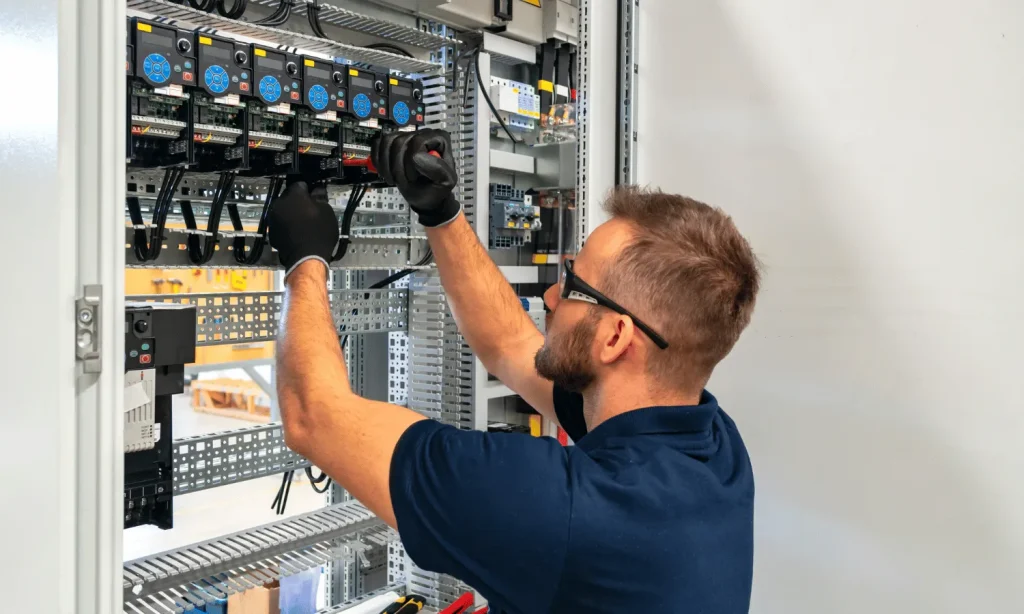
There are a number of standard sizes of residential electrical panels.
1. 60-Amp Panel
A 60-amp panel is usually installed in older homes before the advent of greater electrical usage. They are rarely sufficient for modern homes.
2. 100-Amp Panel
For smaller homes that do not have too many electrical loads, a 100-amp panel is standard.
3. 125-Amp Panel
A 125-amp service offers a little more than a 100-amp panel and can be used for moderate electrical usage.
4. 150-Amp Panel
If you have a larger home with more appliances, you’ll want to consider a 150-amp panel.
5. 200-Amp Panel
Most new homes are now using a 200-amp panel. It can support:
- Central HVAC Systems
- Electric Dryers
- Electric Ranges
- EV Chargers
- Home Offices
- Smart Home Systems
6. 320-Amp Panel
Larger, custom homes may get a 320 amp service, which is normally installed when the home needs more capacity than a 200 amp panel, but less than a 400 amp service.
7. 400-Amp Panel
A 400-amp panel is typically for:
- Luxury Homes
- Large Estates
- Multi-Family Properties
- Homes with High Electrical Loads.
How to Determine What Size Electrical Panel You Need
An electrical load calculation is the best method to determine the size of a panel.
1. Calculate Your Home’s Electrical Load
The overall electrical load of a residence is determined by the electrician by looking at all loads connected to the house.
General Lighting Load
The amount of light needed in a home is determined by the square footage of the home.
2. Small Appliance Circuits
Load calculations include kitchen counter-top circuits.
1. Laundry Circuits
Laundry circuits provide additional load to the overall electrical demand.
2. Kitchen Appliances
The large kitchen equipment can typically feature:
- Ovens
- Ranges
- Dishwashers
- Microwaves
- Refrigerators
3. HVAC Systems
Frequently, the largest electrical load will be heating and cooling equipment.
4. Water Heaters
Electric water heaters need their own circuit and a lot of power.
6. Electric Dryers
The typical dryers are 240-volt dryers that use a lot of power.
7. Electric Ranges
Ranges are one of the most sought-after household appliances.
8. EV Chargers
EV charging stations can be a large load on electricity demand.
9. Hot Tubs and Pools
Pool pumps, pool heaters, and hot tubs may need a high-amperage circuit.
Why Choosing the Right Electrical Panel Size Matters
Choosing the right panel size will influence safety, performance, and flexibility. A panel that is the correct size assists:
1. Prevent Overloaded Circuits
If the panel doesn’t have enough capacity, breakers will blow regularly.
2. Support Modern Appliances
The homes of today are equipped with more electrical equipment than ever before.
3. Meet Code Requirements
Electrical requirements for new construction or major renovations are frequently specified in building codes.
4. Improve Home Value
A new electrical system is definitely appealing to customers.
5. Future-Proof the Electrical System
Larger panels allow additional panels to be added in the future, such as:
6. EV Chargers
- Solar Systems
- Battery Storage
- Home Additions
- Heat Pumps
Electrical Panel Size Based on Home Square Footage
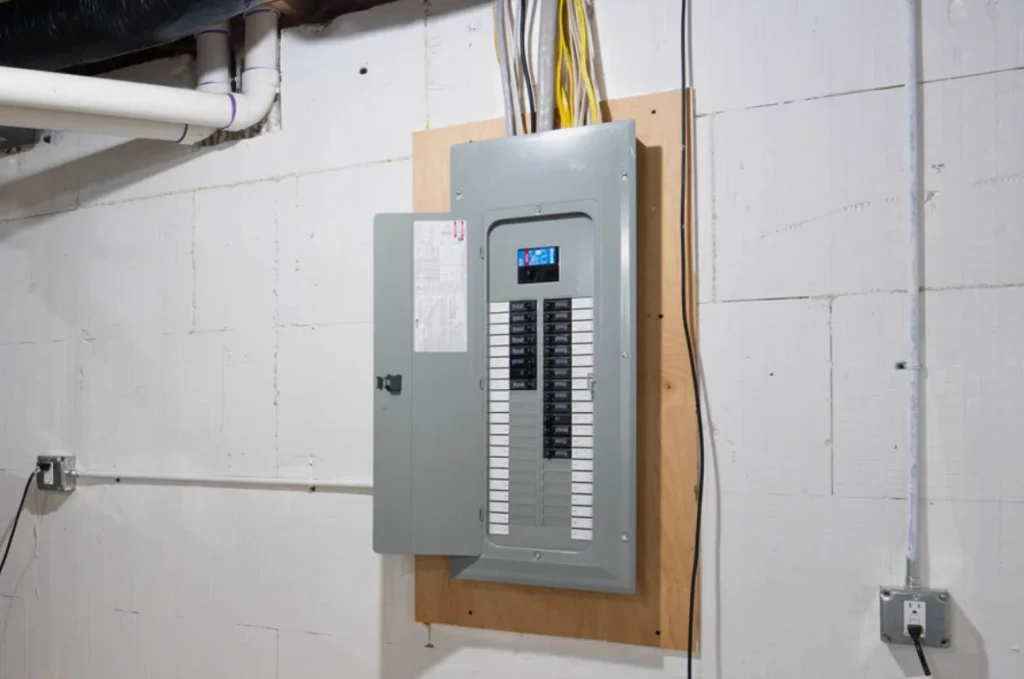
The load calculations are the most accurate, but square footage will give a good estimate.
| Home Size | Recommended Panel Size |
| Under 1,000 sq. ft. | 100 Amp |
| 1,000–1,500 sq. ft. | 125–150 Amp |
| 1,500–2,500 sq. ft. | 200 Amp |
| 2,500–4,000 sq. ft. | 200–320 Amp |
| Over 4,000 sq. ft. | 320–400 Amp |
Electrical Panel Size Based on Number of Appliances
A 100-amp panel may be sufficient for small homes that have gas appliances.
1. Homes with Basic Electrical Needs
Homes with electric water heaters, electric ranges, and electric dryers typically need 150-200-amp service.
2. All-Electric Homes
The 200-amp minimum is a good thing to have in all-electric homes.
3. Smart Homes
The amount of electricity used rises with smart devices, automation systems, and home offices.
4. Homes with EV Chargers
For most EV car owners, a 200-amp service or greater is recommended.
Electrical Panel Size for Common Appliances
| Appliance | Typical Amps Required |
| Electric Range | 40–50 Amps |
| Electric Dryer | 30 Amps |
| Water Heater | 20–60 Amps |
| HVAC System | 20–60 Amps |
| Heat Pump | 20–60 Amps |
| EV Charger | 30–80 Amps |
| Hot Tub | 40–60 Amps |
| Pool Equipment | 20–50 Amps |
How to Check Your Current Electrical Panel Size
1. Check the Main Breaker
The simplest way is to check the main breaker number that is printed on the main panel. Common ratings include 100, 150, 200, 320, and 400 amps.
2. Always read the Manufacturer Label
Most panels will have a label on the inside of the door with their service capacity, model number, and specifications.
3. Review Inspection Documents
Panel size may be shown in building permits, electrical inspections, and purchase records.
4. Consult an Electrician
A licensed electrician can verify service size and then check if it is possible that your panel is not capable of coping with your home’s electrical needs.
Signs Your Electrical Panel Is Too Small
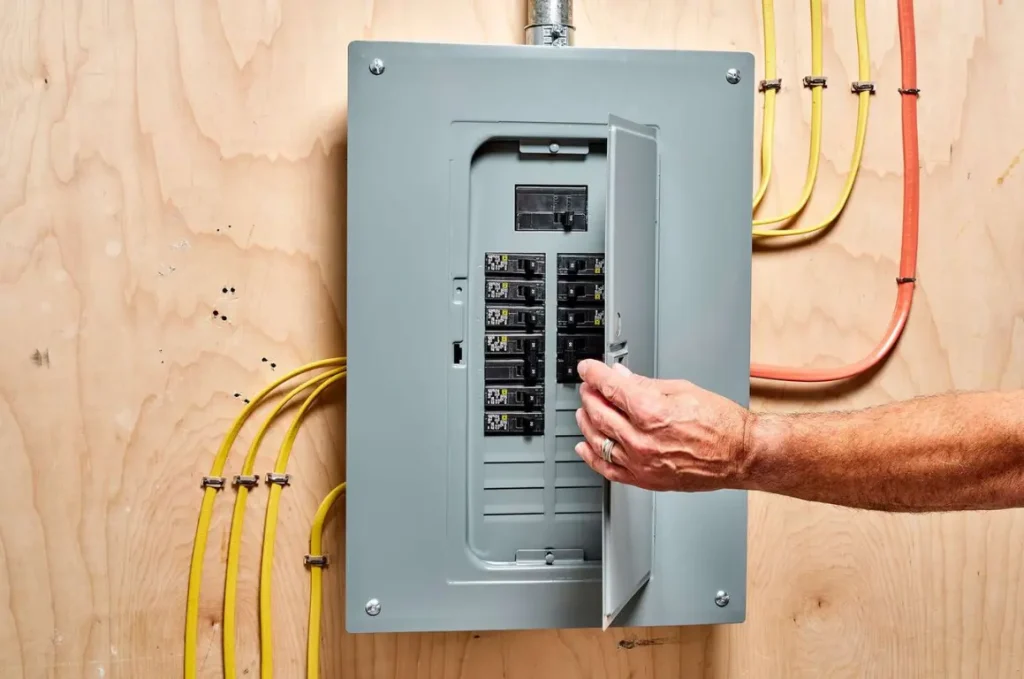
1. Frequent Breaker Trips
Frequent breaker tripping can be a sign of a problem with an overloaded panel.
2. Flickering Lights
If lights dim or flicker when appliances start, it is likely that the electrical capacity is not adequate.
3. Warm Panel Cover
If it feels warm, an inspection must be done right away.
4. Burning Smells
Smells can be a sign of overloaded wires or circuit breakers.
5. Lack of Circuit Space
When all the breaker slots are taken up, it becomes challenging to add more in the future.
6. Multiple Subpanels
When too many subpanels are present, it may be a sign of insufficient capacity in the main panel.
Common Mistakes To Avoid When Choosing Panel Size
1. Choosing Based Only on Current Needs
All future electrical needs should be taken into account.
2. Ignoring Future Expansion
If the space needs to be expanded, more capacity may be needed.
3. Underestimating Appliance Loads
Major appliances use a lot of electricity.
4. Not Considering EV Chargers
The charging of EVs can significantly ramp up electrical usage.
5. Solar Installation Plans
Additional panel capacity may be needed for solar and battery systems.
Conclusion
Selecting the right electrical panel size is critical for safety, efficiency, and future flexibility. Older homes can operate on 100 amp service, but many newer homes can use 200 amp service as a result of the increased use of larger appliances, HVAC systems, and electric vehicle charging stations, as well as the use of smart-home technology. If the home or property has a large electrical load or is large, it may need 320-amp or 400-amp service.
The best approach to determining the correct panel size is to perform a calculation of the electrical load of your home, factor in any future expansion plans, and talk to a licensed electrician. Having the right panel now can save big money in the future in the event you need to make upgrades or electrical limitations.
FAQs
1. How Much Circuit Amp Rating Is Required for A 2000 Sq. Ft. House?
The type, number, and size of appliances and electrical loads will determine the size of the panel needed for most 2000 sq.ft. homes (150 amp to 200 amp).
2. Is a 100-Amp Panel Enough for A Modern Home?
Yes, in some smaller houses. But many of today’s homes need 200 amps or more to meet the needs of the electricity load.
3. Do 200-Amp Panels Suffice for an EV Charger?
Yes. For most homes that have one Level 2 EV charger, a 200-amp panel will suffice.
4. How Big a Panel Size Should I Use for An Electrical Pump?
When other electric appliances are used in the home, most heat pump systems will require a 200-amp service.
5. Can I Upgrade from 100 Amps to 200 Amps?
Yes. One of the most frequent electrical service upgrades is upgrading from 100 amps to 200 amps.
6. What’s the Difference Between a Panel and A Sub-Panel?
Power is supplied to a main panel from the power company, and then a subpanel can be used to supply power to other circuits in another part of the property.
7. What Is the Life Span of An Electrical Panel?
The average life of most electrical panels is 25 to 40 years, depending on the quality, usage, and environment in which they are employed.
8. Is Upgrading to A 400-Amp Service Worth It?
It could be worth considering for large luxury houses, multi-family buildings, or houses with heavy electrical requirements.
9. Can I Add More Circuits without Upgrading My Panel?
Possibly. Some extra circuits can sometimes be added depending on the availability of breaker space and the capacity of the panel.
10. How Much Does It Cost to Replace an Electrical Panel?
The cost of most panel replacements is in the range of $1,000 to $4,000, with major service upgrades ranging up to $10,000 and even more depending on the scope and complexity.