

Water damage can cause significant destruction to a home, leading to costly repairs for walls, flooring, ceilings, furniture, and personal belongings. Insurance companies will only pay for water damage if it can be proven that the damage was caused by a covered event, which means you will need to report the damage as soon as you can, document the water damage with photos and videos, review your insurance policy to make sure you have the coverage you need, and try to prevent any additional damage. Typically, homeowners’ insurance policies will cover sudden and accidental water damage events, like burst pipes, appliance malfunctions, plumbing leaks, or damage from a storm. But most of the time, claims for flooding, poor maintenance, slow leaks, or neglect are not covered.
It takes more than just a claim to successfully get compensation. Insurers assess the cause of the water damage, the loss amount, the condition of the property, and whether the incident is covered under the policy. The key to maximizing settlement and claiming your policy is to take the right steps right away after the damage has been seen, which involves documenting the damage, keeping evidence, mitigating further damage, and working with your insurance adjuster.
Step 1: Stop the Water Source
The priority is to avoid further damage.
1. Turn Off the Water Main
If a pipe or appliance is leaking, turn off the main water shut-off.
2. Prevent Further Damage
Take reasonable measures to prevent deterioration of the property.
Step 2: Documenting the Damage
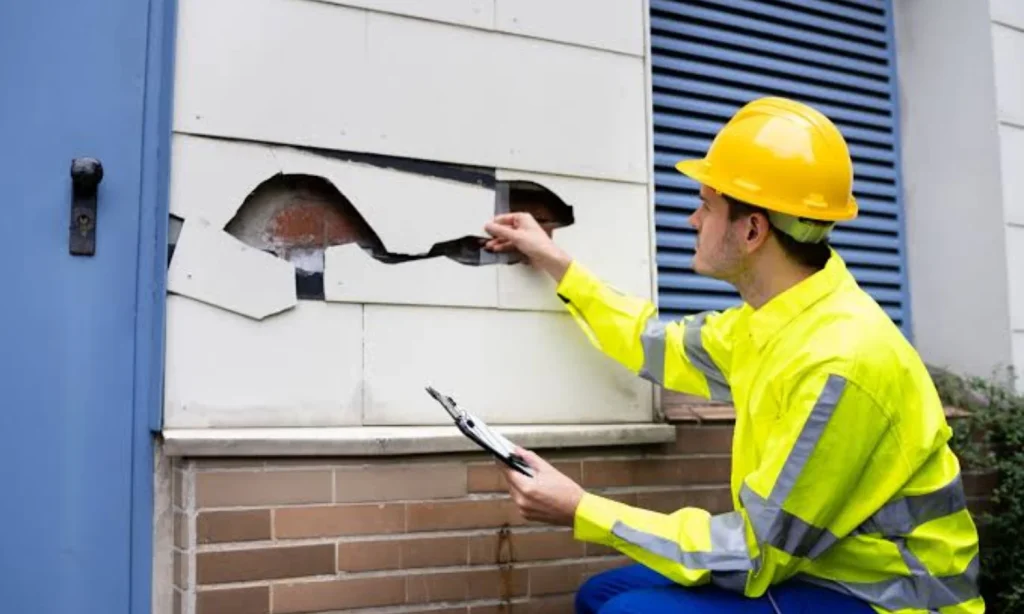
Detailed documentation will greatly support your claim.
1. Take Photos
Take photographs of all affected areas before cleanup starts.
2. Record Videos
The amount of damage can be illustrated with video evidence.
3.Create an Inventory
Include items such as furniture, appliances, personal items, electronics, and flooring that are damaged.
4. Save Damaged Materials
Should something be damaged, don’t throw it out until your insurance company asks for it.
Step 3: Review your Insurance Policy
It can be helpful to know what is in your policy so that you don’t get caught off guard.
1. Understand Coverage Limits
Check the coverage of the repairs and personal property.
2. Review Deductibles
Your deductible will be taken off your settlement.
3. Check Exclusions
Recognize gaps not addressed.
4. Verify Additional Endorsements
Some policies offer the option for water backup coverage or mold coverage.
Step 4: Contact Your Insurance Company
1. Report any Claim Immediately
It shows good judgment in reporting promptly.
2. Provide Basic Details
Explain:
1. Damage
What is the cause of the damage?
2. Areas Affected
Losses are being minimized through measures taken.
4. Get a Claim Number
Save your claim number and correspondence with the insurance company.
Step 5: Avoid Further Damage
When an insurance policy is written, most demand that the homeowner take measures to prevent further damage.
1. Water Extraction
Drain standing water in a timely fashion.
2. Drying and Dehumidification
Utilize fans, dehumidifiers, and professional drying equipment as needed.
3. Temporary Repairs
Close roof openings, mend broken water pipes, and secure the property.
4. Why Mitigation Matters
If the additional damage isn’t prevented, your claim may be diminished or even lost.
Step 6: Meet with The Insurance Adjuster

An adjuster will usually be sent by the insurance company to do an inspection.
1. Role of an Adjuster
The adjuster evaluates:
- Cause of Loss
- Extent of Damage
- Repair Requirements
- Estimated Claim Value
- Preparing for Inspection
Keep pictures, receipts, and documentation on hand.
2. Questions to Ask
- What Is Covered?
- What Is Excluded?
- What Additional Paperwork Is Required?
- When Can You Expect a Decision?
Step 7: Turn in Supporting Documentation
Well-documented applications can get approved more quickly.
1. Contractor Estimates
Get a quote from licensed contractors for repairs. Many restoration contractors and insurance professionals use Xactimate estimating service to prepare detailed repair estimates that align with industry-standard insurance pricing.
2. Repair Invoices
Keep all receipts related to emergency repairs.
3. Emergency Service Receipts
Keep an invoice record of water extraction and drying services.
4. Personal Property Lists
Record any damages and replacement costs.
Step 8: Check the Settlement Offer
The insurance company will finalize its investigation and then make an offer for settlement.
1. Understanding Claim Payouts
The payout amount is based on:
2. Your Policy Coverage
The damage is measured in terms of its size.
3. Your Deductible
Repair costs
4. Actual Cash Value vs. Replacement Cost
Actual Cash Value (ACV) will compensate for the current worth of damaged property.
5. Replacement Cost Value (RCV)
The value of the items that need to be replaced in case of damage, with new ones of the same quality.
6. Negotiating a Settlement
If the price is too low:
- Ask for Clarification and Explanation
- Make Further Repair Estimates
- Submit Supporting Documentation
- Ask for Reconsideration
Does Homeowners Insurance Cover Water Damage?

The coverage will vary based on the cause of damage.
1. Water Damage Usually Covered
1. Burst Pipes
When a pipe suddenly bursts and causes damage to your home, insurance is likely to pay for the repairs.
2. Accidental Appliance Leaks
An unexpected leak from a dishwasher, washing machine, or refrigerator could be covered.
3. HVAC System Leaks
Water damage resulting from a faulty HVAC unit can be covered.
4. Overflowing Plumbing Fixtures
If the overflow is accidental, from a sink, bathtub, or toilet, it can be covered if the overflow is sudden.
5. Covered Events generating Roof Leaks
Your homeowner’s insurance might also pay for water damage to your roof if the roof sustains damage and water enters through the holes.
2. Water Damage Usually Not Covered
1. Flooding
Usually, flood damage will need a separate flood insurance policy.
2. Groundwater Seepage
It is common not to include water through foundations or basements.
3. Neglected Maintenance
Homeowners are expected by insurance companies to keep their property in good repair.
4. Mold due to a leaky building
Leaking mold is typically not covered if it continues to leak.
5. Sewer Backup No Endorsement
Many policies have excess coverage for sewer and drain backup.
Types of Water Damage Insurance Claims

1. Pipe Burst Claims
Frozen or damaged pipes bursting and causing water damage is one of the most frequent allegations.
2. Appliance Leak Claims
The loss of power to an appliance can come with the cost of damage to flooring, walls, cabinets, and personal belongings.
3. Roof Leak Claims
Roof damage from a storm is often the cause of water intrusion claims.
4. Storm Damage Claims
Roof or window damage due to heavy winds, hail, or severe weather can lead to water damage.
5. Water Heater Failure Claims
Water heaters can leak hundreds of gallons into a home at a time.
6. Toilet Overflow Claims
Unforeseen toilet overflows can be covered if sudden.
7. Causes of HVAC Water Damage Claims
Covered water damage is also caused by clogged condensate lines and other system malfunctions.
How Insurance Companies Evaluate Water Damage Claims
There are a few things that will come into consideration to see whether or not the claim is approved.
1. Cause of Loss
Insurers will first have to find out how the water damage was caused.
2. Extent of Damage
The damage amount depends on the severity of the damage.
3. Policy Coverage
There has to be coverage for the type of loss.
4. Maintenance History
Maintenance records may be provided to insurance companies to assess if any part of the damage was associated with negligence.
5. Mitigation Efforts
It is expected that homeowners take reasonable action to avoid further damage.
Common Reasons Water Damage Claims Are Denied

1. Delayed Reporting
Late reporting of damage can lead to denial.
2. Lack of Documentation
Lack of photos, receipts, or proof can make a claim less successful.
3. Policy Exclusions
There are certain types of water damage that are not covered.
4. Maintenance Neglect
The cost of damage resulting from inadequate maintenance is little covered.
5. Pre-Existing Damage
In most cases, insurance will cover you for new loss, not existing issues.
6. Insufficient Evidence
The insurance company should have a means of determining the cause and scope of the damage.
How to Appeal a Denied Water Damage Claim
A denial isn’t necessarily the end of the process.
1. Check the Denial Letter
Carefully read the insurer’s explanation for denying coverage.
2. Gather Additional Evidence
Collect:
- More photographs
- Contractor reports
- Plumbing inspections
- Expert opinions
- Request Reconsideration
Ask the insurance company to review the claim again.
3. Hire a Public Adjuster
A public adjuster is an individual who acts on behalf of the policyholder, not the insurance company.
4. Consult an Attorney
If it is a major disagreement, it might be a good idea to seek legal counsel.
Documents Required to Get Water Damage Insurance
Maintain a well-documented claims process.
1. Photos and Videos
Take photographs of damaged areas before repairs.
2. Repair Estimates
Get thorough estimates from reputable contractors.
3. Receipts
Keep receipts for cleaning, drying, and temporary repairs.
4. Inspection Reports
Professional reports can be used to back up your claim.
5. Communication Records
Retain copies of emails, letters, and claim notes.
6. Inventory Lists
Record damage to and values of personal property.
How Long Do Water Damage Claims Take?
The length of the claims timeline depends on the complexity of the claim.
1. Initial Reporting
Occupies one day with a normal working day.
2. Inspection Process
May take several days or weeks.
4. Claim Review
The insurer checks documentation and estimates.
5. Payment Timeline
The settlement of approved claims may run up to a few weeks, although large claims can take longer.
Water Damage Insurance Claim Example
1. The Incident
A homeowner finds a water leak under the kitchen sink, which is destroying cabinets and flooring.
2. Filing the Claim
The homeowner promptly notifies the insurance company of the loss.
3. Documentation Process
Photos, video, receipts, and repair estimates are submitted.
4. Insurance Inspection
An adjuster verifies that the damage occurred suddenly and accidentally.
5. Claim Settlement
The insurance company looks at the paperwork and gives permission for repairs, and reimburses the costs that are covered, minus the deductible.
Tips to Maximize Your Water Damage Insurance Claim
1. Report Damage Immediately
Early reporting enhances credibility and avoids delays.
2. Keep Detailed Records
Record each step of the process.
3. Don’t Throw Away Damaged Materials
Do not dispose of damaged items until they are told to do so by the insurance company.
4. Get Multiple Repair Estimates
Independent valuations can aid in bargaining for reasonable compensation.
5. Communicate in Writing
Written communication produces a clear record of discussions.
6. Understand Your Policy
Understanding your coverage and limitations can help avoid confusion.
Conclusion
The first step in getting insurance to cover water damage is to know what your policy covers and to be quick to act once a loss has occurred. The first steps are to stop the water, take a detailed inventory of the damage, call the insurance company as soon as possible, limit the damage, and submit all necessary documentation.
Many water damage claims are covered when they result from sudden and accidental events, but delays, lack of documentation, and maintenance-related issues can cause water damage claims to be denied. Homeowners can increase their odds of a fair settlement and the swiftest restoration of their homes by following the correct claims process and maintaining accurate records.
FAQs
1. How to Prove Water Damage to An Insurance Company?
Take pictures and videos, save damaged items, get estimates for repair, and give loss inspection reports.
2. Will Insurance Pay for Water Damage from A Leaking Pipe?
Most homeowner’s insurance policies will cover water damage that results from a sudden and accidental pipe leak or pipe burst.
3. What Is the Timeframe until I Can File for Water Damage?
This will depend on the insurance company and state, but it may be best to report the damage as early as possible.
4. What Can I Expect the Insurance Adjuster to Do?
Record the damage, attempt to minimize additional damage, retain receipts, and do not make permanent repairs until the inspection is completed.
5. What Caused My Water Damage Claim to Be Denied?
They may be due to policy restrictions, delayed reporting, policy maintenance, lack of claims documentation, or existing damage.
6. Will Mold Be Covered by Homeowners’ Insurance if It’s Caused by Water Damage?
Depending on the reason for the mold and the coverage limits of your policy, you may be covered for the mold. Some policies offer partial mold coverage.
7. Is It Possible to Select the Water Damage Restoration Company?
In most cases, yes. Discuss your insurance details with your provider, though, about preferred vendors and requirements.