

Cost management is important to the success of any construction project. Whether it is an individual small house construction or a large commercial and infrastructure project, cost control will directly affect profitability, efficiency, and the overall project results. The construction business is usually experiencing increased costs of materials, unpredictable availability of workforce, and unforeseen issues like delays or alterations of designs, which may push the budget beyond the anticipated level. Project managers and contractors should prioritize the proactive approach to these problems that would focus on strategic planning, proper cost estimation, and simplified execution.
Cost efficiency could also be enhanced by effective communication, appropriate scheduling, and integration of modern applications such as Building Information Modeling (BIM) or digital estimating software. With a combination of intelligent resources and realistic decision-making, construction specialists will be able to keep their projects within the financial framework and leave the degree of quality and safety.
1. Start with Accurate Project Planning
Cost control is based on the thorough planning of a project. Having realistic budgets, establishing realistic timelines, and identifying possible risks before work commences is essential. Professional services and construction estimating software can help develop an accurate estimate of costs, which will minimize the risk of overruns. Projects that are properly planned would not experience unforeseen costs or delays. Using Construction Cost Estimating Services during this stage helps ensure that cost projections are precise and realistic.
2. Use Value Engineering
Value engineering can be used as a successful approach to bringing the intended quality and reducing redundant expenses. This requires evaluating the design and construction techniques to seek alternatives elsewhere in terms of economical materials, equipment, or processes. To give an instance, the costs of materials and labor may be reduced through the use of prefabricated parts as opposed to custom-made parts. The trick is to make it work with better functionality, quality, and to get rid of wasteful costs.
3. Invest in Technology and Automation
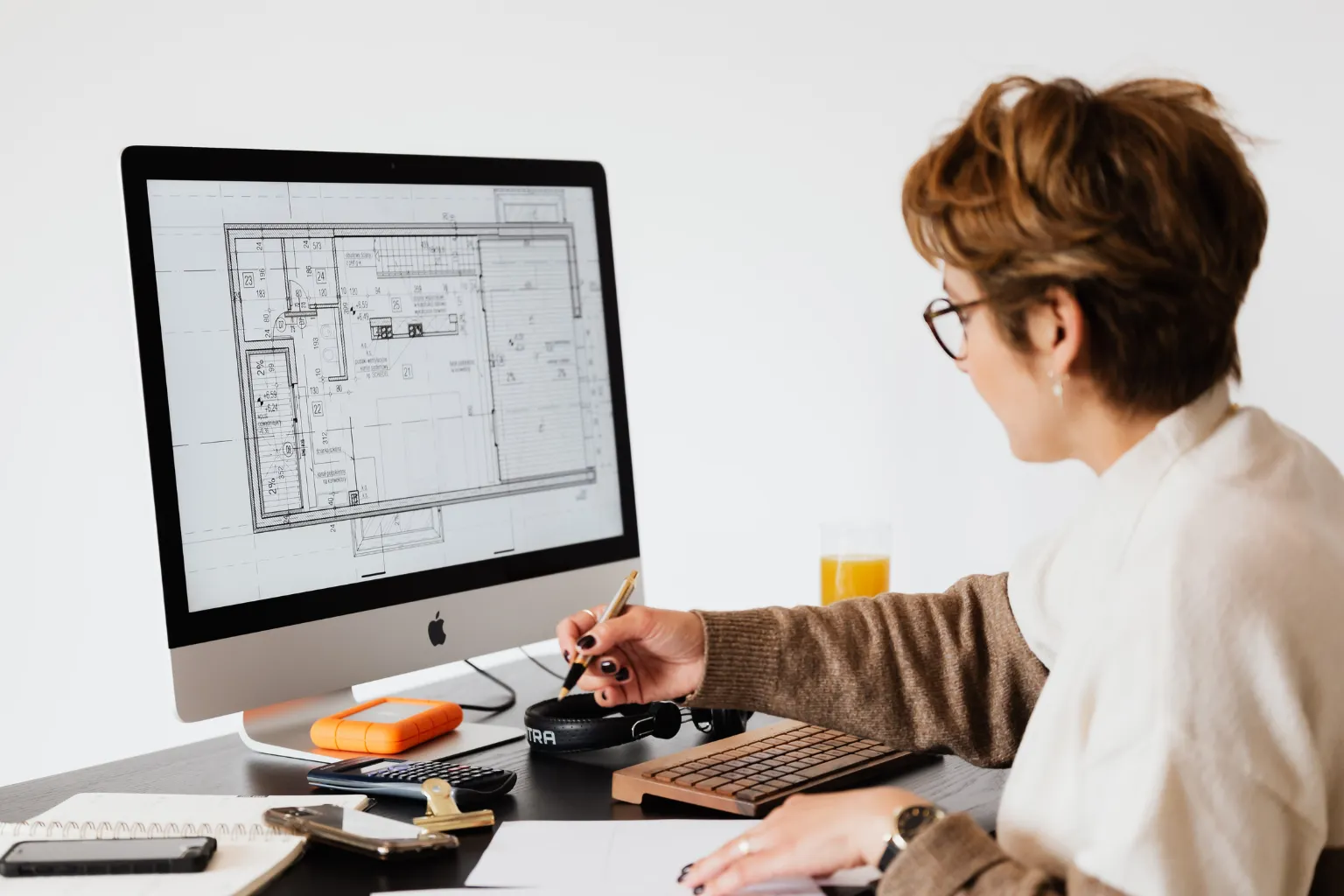
The current technology is changing the management of costs in construction. Different software’s like Building Information Modeling (BIM) enable proper visualisation of a project before its commencement by detecting possible design conflicts that may result in the high cost of changes in the future. Drones and project management software also enhance monitoring and communication, which minimizes errors and time wastage. Companies can become more efficient by going digital and reducing the number of reworks, which will save significant sums of money.
4. Negotiate with Suppliers and Buy in Bulk
The construction costs normally have a high proportion of materials. Better contract negotiation with suppliers, multiple vendors, and bulk buying can help the company save money greatly. The long-term relationships with the suppliers, who can be trusted, also guarantee improved prices and the constant availability of materials. Also, time-saving of the market movements is useful so that contractors can purchase the materials when they are cheaper, which optimizes the costs even more.
5. Control Labor Costs with Skilled Workforce Management
The problem of labor inefficiencies has a tendency to add to the budget overruns. Recruiting experienced employees who can accomplish tasks in an effective way saves wastes on time and resources. Good training also leads to increased productivity and safety at a minimal cost to accidents. The other strategy is balancing between permanent employees and subcontractors, which will provide flexibility without paying idle workers too much. Good monitoring and effective communication on-site contribute to the maximization of productivity and minimization of negative time.
6. Minimize Rework and Errors
One of the most costly issues of construction projects is rework. Design interpretation errors, ineffective workmanship, or insufficient cooperation among teams may lead to the destruction of parts of a building and their reconstruction, and this may involve wastage of time and money. Regular inspections, effective communication strategies, and quality control measures should be implemented to prevent this. The use of digital tools such as project management applications or BIM also minimizes miscommunication and expensive mistakes.
7. Streamline Design to Improve Productivity
Design is important in the total costs of construction. By simplifying the building layouts, employing standard dimensions, and minimizing the unneeded complexity, projects can become easier and less expensive to construct. It is possible to have architects and engineers cooperate with construction managers even at the initial design phase to make sure that the cost-effective solutions are implemented without reducing the level of safety and aesthetics.
8. Waste Minimization and Material Management
It is common to have poor material management that results in wastage, theft, or damage. Strict inventory control, availability of proper storage facilities, and recycling the unused materials can reduce costs. It is also effective in the delivery methods, where the Just-in-time delivery method ensures goods are only delivered to the extent they are required, and it minimizes storage costs. The reuse and recycling of materials used in other past projects also reduces the cost whilst enhancing sustainability.
9. Subcontract Estimating and Takeoff Services
Outsourcing cost estimating and material takeoff is one of the best means to find the quantities & costing. Experts in this area offer precise calculations, which make budgets realistic and ensure resources are properly distributed. This reduces cost planning errors and enables the contractors to bid lower, which results in getting the contracts without compromising on the profit margins.

10. Adopt Best Project Management Procedures
Project management also guarantees efficient utilization of all resources (time, labor, equipment, and materials). A properly established project management system consists of progress tracking, periodic reporting, and accountability. Effective leadership will also ensure unified teams, elimination of delays, and quality, which contribute directly to cost savings.
11. Schedule Work Strategically
Construction delays are normally costly because they may result in protracted labor, equipment hire, or finance. With proper scheduling of work, arranging subcontractors, and planning of the work based on the weather conditions, the project can remain on course. The project scheduling software assists the contractors in allocating the resources efficiently and prevents overlapping tasks that might lead to inefficiencies.
12. Focus on Preventive Maintenance of Equipment
Failure of construction equipment may paralyze operations and cause expensive repair or rental. Consistent preventive maintenance makes sure that the machinery is in good working condition, and it minimizes downtime and unforeseen costs. Another way through which contractors save money is by hiring equipment when it is required, and not purchasing costly equipment that might not be utilized regularly.
13. Ensure Compliance with Regulations
Failure to comply with building codes, safety rules, or provisions by permit might lead to fines, legal wrangles, and project delay, which increases the costs of a project. It is better to keep abreast of the local legislation, obtain the relevant permits in advance, and adhere to the safety rules so as not to incur needless costs.
14. Encourage Collaboration and Communication
Poor communication among the project stakeholders usually results in errors, rework, and delays. Having well-defined communication channels among the architects, engineers, contractors, and clients is an assurance that they all get in touch with the project goals and requirements. Teamwork is also promoted with the help of regular meetings and digital collaboration platforms, which will end up saving time and money.
Conclusion
To minimize expenditures within a construction project, one will have to resort to planning, management, and clever application of technology. With the correct estimation and optimization of designs, the supplier negotiation, and labor optimization, all parts of a project have the chance to reduce costs without affecting the quality.
Through prevention, teamwork, and constant checks, construction professionals will be able to save a lot of money and offer a successful project. A strict cost management practice not only makes a company profitable but also creates an image of reliability and efficiency in an extremely competitive business. A reputation for reliability and efficiency in a highly competitive industry.
FAQs
What Is the Most Effective Way to Reduce Construction Project Costs?
The best methods of cost reduction are accurate planning and detailed cost estimating. This makes sure that budgets are realistic, allocation of resources is made efficient, and that risks of overruns are kept to a bare minimum.
How Can Technology Help Lower Construction Expenses?
Building Information Modeling (BIM), project management software, and drones are some of the technologies that enhance accuracy, communication, and monitoring. This minimizes errors, rework, and delays, which results in decreased costs. This reduces errors, rework, and delays, leading to lower costs.
Does Buying Materials in Bulk Save Money?
Yes, large-scale purchasing is usually accompanied by discounts and constant availability of materials that can reduce costs. Nonetheless, waste or damage cannot be avoided unless storage and inventory management are carried out properly.