

Real estate investing is among the best methods to accumulate long-term wealth, and new construction usually contributes significantly to increasing property value. The effects of new construction must consider a number of significant factors, such as location, design, materials quality, and market conditions. The construction of a new house, a modern extension, or the development of an accessory dwelling unit can ensure that a property is more attractive to buyers.
New construction has several benefits that are generally provided, which include modernized layouts, better energy conservation, observance of the current building codes, and better curb appeal. Such attributes distinguish a property among the older houses in the market and tend to fetch better selling prices. But not all projects produce good returns since excessive expenditure or overdevelopment above the standards of the neighborhood may restrain the returns. Proper planning and knowledgeable construction decisions are essential in making sure that new construction actually enhances a property.
What Counts as New Construction?
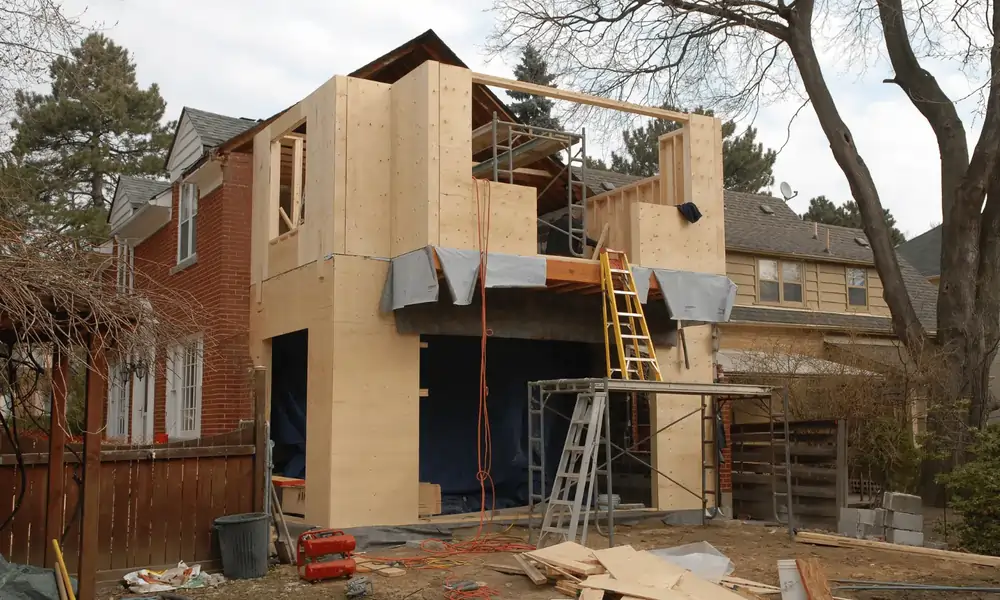
It is worth explaining what is meant by new construction before getting into the discussion of property values. The term can apply to:
- New Homes: This is a house constructed totally on a piece of empty land.
- Additions: This involves an expansion of a house by adding a new bedroom, bathroom, or second story.
- Accessory Dwelling Units (ADUs): Isolated living quarters such as guest houses or in-law suites.
- Buildings Types: Commercial buildings or residential objects constructed over new land.
No matter the type, these projects can add significant value if executed strategically. Using residential estimating during planning ensures that the scope, cost, and materials of each project align with the market value potential, preventing overspending while maximizing return on investment.
How New Construction Adds Value?
Increased Square Footage
The addition of new construction to property value is one of the most direct means, which is the improvement of usable space. Homes with a bigger size sell for higher prices, particularly in places where space is very expensive. There is usually a high payback to adding bedrooms, bathrooms, or living rooms.
Contemporary Design and Effectiveness
The new constructions are usually updated with new electrical, plumbing, insulation, and energy-efficient structures. People will be willing to pay more to buy houses that will reduce utility bills and those which would not need repairs within a short period.
Curb Appeal and Aesthetics
Constructs built recently are usually of modern architecture, beautiful finishing, and new landscaping. This enhances curb appeal, which is a major factor in buyer perception and marketability.
Building Codes Adherence
Sometimes, old houses require expensive renovations to fit the current building standards. New constructions are already meeting these requirements, which is peaceful and saves the buyers on the cost of taking care of the maintenance at first.
Potential Rental Income
The addition of an ADU or multi-family unit raises the value of the property not only due to the resale opportunity but also by creating a rental income. This is a value driver that is attractive to the investors, particularly.
Factors That Influence How Much Value Is Added
Although construction that is new construction may raise property value, the value numbers vary depending on a few major factors:
Location
The adage location does not change. The house in a good neighborhood purchased as a new house will appreciate more than the house in a declining area. The closeness to schools, shopping, and transportation is also important.
Type of Construction
- Bathroom or bedroom additions usually have a greater value addition than the garage.
- Buyers value kitchens and master suites very much.
- Luxury finishes are not always likely to give high returns unless there is a high-demand market.
Quality of Workmanship and Materials
Poor construction reduces value and does not increase it. Customers observe quality, and the lack of quality is likely to become a source of liability in new construction.
Current Real Estate Market
In a seller’s market, sellers expect higher prices for new houses. The value enhancement cannot match the construction prices at once in a buyer market.
Cost vs. Appraisal Value
New construction is not necessarily the same expenditure as the value added to the property. As an example, the cost of the luxury addition, such as spending 100,000 dollars, may only increase property value by 70,000 dollars, provided the market does not justify the premium.
Average Value Increases from New Construction
Although these figures are diverse, the following are some of the general estimates based on national averages:
Adding a Bedroom: Has the potential to add 10-15% to the home value.
Bathroom Addition: The average payoff is 50-60%.
Kitchen Remodel/Addition: 70-180% ROI, based on finishes.
Construction of ADU: May increase property value by 20-30%particularly in the urban areas.
Full New Construction: It is usually sold at a 20-30% higher price compared to similar-aged houses.
These are averages, and actual performance is based on your particular market.
Risks and Downsides of New Construction
Although the opportunity to boost the value of the property is high, it should be noted that there are threats:
High Startup Costs: It is costly to build new, and it might need construction loans to finance.
Market Variation: In case the housing market goes down, you might not get the returns on your investment at once.
Overbuilding: Putting on excessive square footage or luxury may overprice your property in the area.
Delays and Unseen Costs: The construction is usually more delayed and expensive than projected, which impacts returns.
Example Scenarios
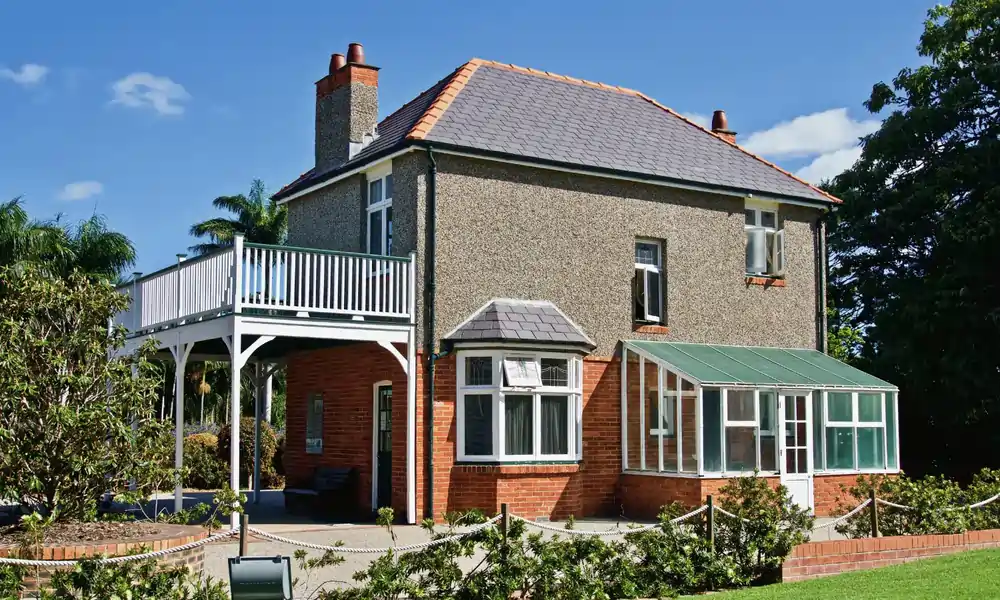
Scenario 1: New Home Build
A family constructs a 2,500-square-foot house on a plot with no house on it for $400,000. Similar current houses in the neighborhood fetch $450000-$480000. Through new construction, they immediately receive a gain of $50000-$80000 in equity and a long-term increase.
Scenario 2: Addition
Another homeowner will also put on a 400-square-foot master suite for eighty thousand dollars. The value of the home goes up by $60000 in an appraisal. Although they do not recover 100% instantly, the liveliness and attractiveness they add make the property sell quickly and at a higher price in the future.
Scenario 3: ADU for Rental
An investor builds a $100,000 ADU. The property value increases by 90 thousand dollars, and the ADU makes 1200 dollars every month in rental fees. The short-term gains are not as much as the long-term losses.
Tips to Maximize Value from New Construction
Study Your Market: Learn what customers in your locality appreciate the most (e.g., bedrooms as opposed to luxury fittings).
Collaborate with Professionals: Recruit renowned contractors, architects, and real estate agents.
Don’t Overconstruct: It is important to be normal in terms of neighborhood prices because it will put you in the market out of the price range.
Prioritize Energy Efficiency: Solar panels, insulation, and smart systems are a plus.
Record Keeping: permissions, warranties, and documents will assure the prospective purchasers of quality.
Conclusion
Is new construction a property value booster? Yes, in most cases, but the quantity depends on where it is, what is designed, the situation in the market, and the general quality of the product. Modern features, efficiency, and extra space make new homes and additions sell at a premium price. But the property owners have to strike a balance between costs and possible returns without too much overbuilding or needless luxury upgrades that the market will not bear.
New construction is a great opportunity when it is approached strategically and can contribute greatly to the value of the property as well as long-term habitation and revenue potential. It implies more comfort and fairness to homeowners. In the case of investors, it brings a way to higher returns. New construction is not merely building; it is creating value with the proper planning and execution.
FAQs
Does Building a New Home Always Increase Property Value?
Not always. Although new construction typically adds value due to the modern amenities and extra size, value addition varies based on location, construction work, and market dynamics.
How Much Value Does an Addition Add to A House?
Additions like a new bedroom or a bathroom can add an average of 10-20 % to the value of a home, depending on the size and the quality. A new bathroom would range around 50-60% of its price back, and a complete master suite could range 60-80% depending on the market.
Do Energy-Efficient Upgrades in New Construction Raise Property Value?
Yes. Such characteristics as solar panels, improved insulation, and smart thermostats increase the appeal of a property to buyers. These improvements can enhance resale and lower long-term utilities, thus making the investment valuable.