
Low voltage wiring installation is an essential part of house and building construction. It is used in communication, security, networking, entertainment, and automation systems, which people use every day. Low voltage wiring is safer and more efficient at providing low voltage power and signals versus the traditional electrical wiring system that provides high-voltage power and signals to appliances and equipment.
Low voltage wiring is the backbone of today’s technology, from the Internet networks to the security cameras to the technology used to manage and control access to a home. From building additions to technology upgrades, low voltage wiring can be used to help decide on the right course of action and ensure optimal system performance.
Installation of Low-Voltage Wiring
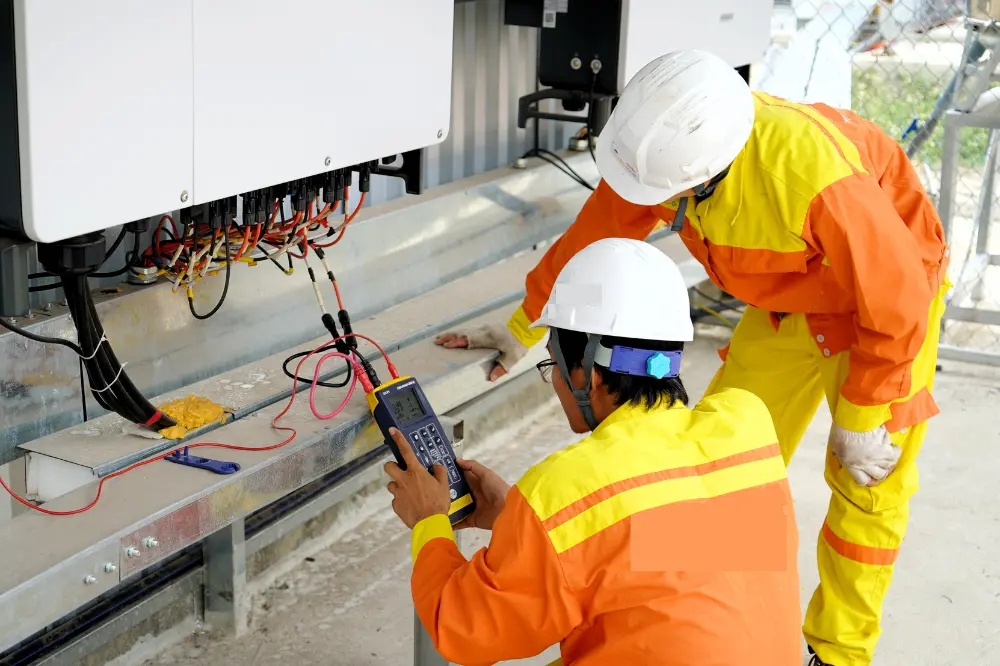
The installation of the low voltage wiring system is a step-by-step process, which involves certain steps to ensure the safe operation of the system, its performance, and durability.
Step 1: Planning the Layout
This stage is concerned with preparing a wiring plan before installation. The installation of devices, outlets, and connections, and the most direct and efficient route for cables, are all decided by the installers. All these unnecessary bendings, waste of material, and conflicts with other building systems can be avoided by planning.
Step 2: Cable Type Selection
There are a number of different types of cables for various applications. The Cat5e or Cat6 cables can be used for networking, coax can be used to carry video signals, and (low-voltage) special cables can be used in security or automation. To guarantee compatibility, stable signal transmission, and system efficiency, it is crucial to select the appropriate type of cable.
Step 3: Measure and Mark Routes
Precise measurements are used to accurately determine the lengths of cable and the path it needs to be installed. Routes are then marked out on the wall, ceiling, or floor (depending on the situation) for the installers. This will prevent errors, minimise overuse of cables, and increase installation accuracy in general.
Step 4: Running the Cables
Cables are properly located and routed in the wall, ceiling, conduit, or attic space. Installers make sure that there is no sharp bend, too much pulling torque, or damage to the conductor cable cover, because any damage to the cover can result in degradation of signal quality and performance.
Step 5: Installing Connectors
After the cables are installed, the connectors like RJ45 plugs, keystone jacks,, or terminal blocks are installed. If there is a stable link, then the loss of the signal and a good connection between the devices, the termination is important.
Step 6: Labeling Cables
All cables are properly labeled with respect to each other. This may facilitate easier troubleshooting, maintenance, and upgrades, especially for large, complex installations with multiple lines.
Step 7: Test the Wiring
Once the system is installed, it undergoes special testing to ensure it is working properly. Technicians conduct tests on the wiring to check for faults, breaks, or interference issues, as well as the strength of the signals and the quality of data transmission.
Step 8: Final Inspection
The final inspection is to ensure that the installation is fit for service and that it complies with the design requirements. Documentation is also done, such as wiring diagrams and test results, which will aid in maintenance and future expansion of the system.
Installation Techniques
Depending on the structure of the building and the complexity of the systems:
- Structured Cabling Systems: Multiple Connections and Easy Management Over a Centralised and Organised System.
- Cable Placement: cables Are Laid in Protective Tubes so As to Prevent Physical Damage and To Make Cables Safer.
- Cable Tray: in Commercial Installations on A Large Scale, Overhead or Underfloor.
- Wall Fishing Techniques: Retrofits Use Cables that Are Installed in Existing Walls with Little Construction.
- Surface-Mounted Wiring: Wiring that Has to Be Mounted on A Wall or Surface Where Concealed Wiring Is Not Feasible or Desired.
Safety requirements, ease of access, cost, and building design dictate the type of each method to provide an efficient and reliable low voltage wiring system.
Cost of Low Voltage Wiring
The price of a low voltage installation depends on the extent and type of installation, the complexity of the installation, and the project size. For larger residential, commercial, or urgent technology projects, many contractors use Emergency Electrical Estimating Services to quickly calculate wiring costs, labor requirements, and material quantities before installation begins. The following are reasonable cost estimates for the range of the industry.
1. Small Residential Wiring
The typical price for basic installations, with a few Ethernet points, doorbells, or simple TV/Data lines, is $150 to $600 per room.
2. Full Home Networking Systems
The total cost of a structured wiring for a house will vary between $1200 and $5000 or more, depending on the number of rooms and access points.
3. Security System Wiring
The wiring required for CCTV cameras, alarms, and sensors typically ranges from $500 to $3,500, depending on the extent of the coverage and the number of devices installed.
4. Commercial Installations
Office buildings, retail stores, and other commercial properties are in the $5,000 to $25,000+ range.
5. Data Center Infrastructure
The biggest ones are generally the most pricey, costing anywhere from $50,000 to hundreds of thousands of dollars.
6. Factors Affecting Cost
- Cable Type & Quality: Cat6a or Fiber, Better Cables Will Cost More, but They Will Perform Better.
- Building Size: The More Extensive the Building, the More Wires and Manpower Will Be Required.
- Labor: $50-$120 per Hour (varies According to Skills).
- More Devices: More Material & Installation Cost.
- Costs: hard Access or Retrofitting Increases Costs.
- Future Expansion: Plan for A Slight Cost in Anticipation of Later Upgrades.
What Is Low Voltage Wiring?
Low Voltage wiring is the wiring with a voltage of 50 volts or less. It is used to communicate, send data, secure, and control devices instead of using them to power large electrical devices. Examples of low voltage systems are:
- Cabling for The Internet and Network
- Telephone Systems
- Security Cameras
- Alarm Systems
- Smart Home Devices
- Access Control Systems
- Audio and Video Systems
- Doorbell Systems
- Building Automation Systems
- These Systems Consume Less Electricity, yet Provide for Reliable Communication and Control Within a Building
Low Voltage Wiring Basics
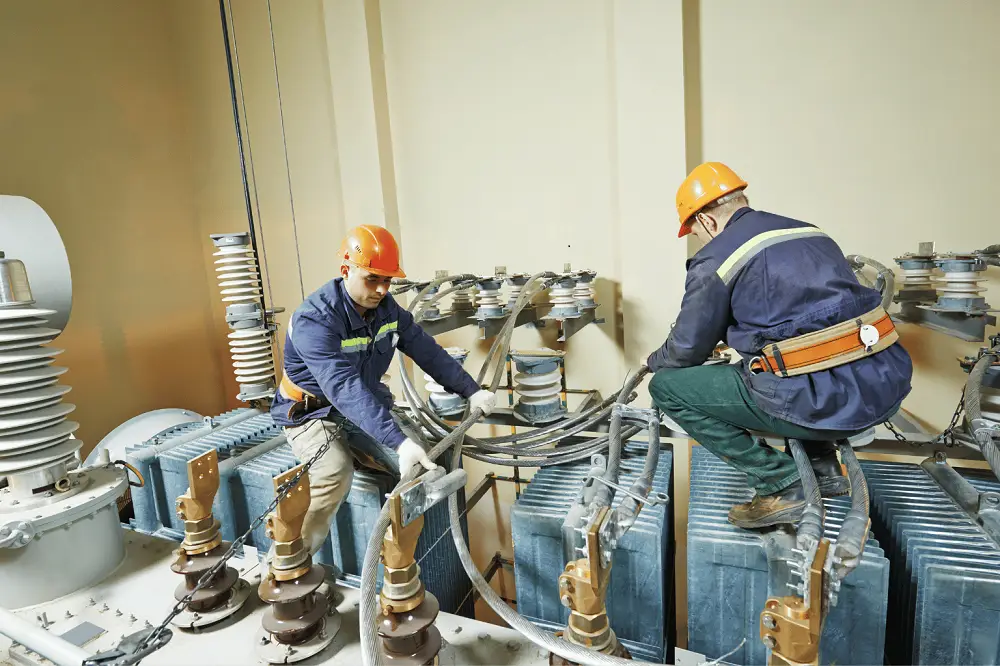
Low voltage systems are used at much lower electrical currents than typical electrical circuits. Traditional wiring is usually 120 volts or 240 volts, but low voltage systems are normally based on the following:
- 12 Volts
- 24 Volts
- 48 Volts
These systems are safer and more energy efficient due to their lower voltage levels.
1. Common Components of a Low Voltage System
The majority of low voltage installations contain:
- Cabling
- Connectors
- Power Supplies
- Controllers
- Sensors
- Network Equipment
- Monitoring Devices
All these components collaborate to deliver signals and power communication between gadgets.
How Does Low Voltage Wiring Work?
Low voltage wiring is an electrical system that sends electrical signals between the connected devices. A typical low voltage system is made up of:
- A source of electrical energy or a power transformer
- Wiring or Cabling
- Connected Devices
- Control Equipment
An Ethernet cable carries digital data between computers, routers, and switches. Likewise, in a security system, wiring runs between the sensors, cameras, and monitoring devices. Proper selection of the cable, installation, and system design quality are the keys to the efficiency of the system.
Low Voltage Wiring Best Practices
Key guidelines include:
- Use High-Quality Cables
- Ensure Correct Spacing of The Cables from The Power Lines
- Steer Clear of Sharp Bends and Tension
- Properly Identify All Wiring
- Follow Manufacturer Specifications
- Test All Connections Before Closing the Walls
- Ensure the Wiring Work Is Well Organized for Future Alterations
These practices help minimize faults and make maintenance easy.
How To Protect Low Voltage Wiring?
Cable protection provides long-term durability and minimises the chances of damage. Some good protection techniques are:
- Installing Conduit Systems
- Organising with Cable Trays
- Using the Raceways on Surfaces
- Externally Using Weatherproof Enclosures
- Installing Surge Protection Devices
- Power Cables and Data Sectioning
- Installing Cables Outside that Are Resistant to Uv Rays
- Avoiding Moisture-Prone Installation Areas
- Good Protection Helps Maintain the Life of A System and Its Stability
Where Do You Install Low Voltage Wiring?
Low voltage wiring can be used in a variety of locations throughout a building, as per the requirements of the system and the building’s layout design. Typical installation sites are:
- Inside Walls
- Ceilings
- Attics
- Crawl Spaces
- Conduit Systems
- Server Rooms
- Utility Closets
- Raised Flooring Systems
- Exterior Walls of Systems for Outdoor Use
- Dedicated Equipment Rooms
Correct planning of such locations will facilitate maintenance, system protection, and enhance system performance.
Low Voltage Wiring Code
Low voltage installations should be installed according to building and electrical regulations. Typical code requirements include:
- Cable Rating for Fire Protection
- Separation from High-Voltage Wiring
- Approved Installation Methods
- Use of Conduits in Required Areas
- Tie or Secure Cables for Support and Fastening
- Meeting Local Electrical Requirements
- Codes Are Followed to Ensure Safety, Compliance, and Approval from Inspections
How To Check Low Voltage Wiring?
Testing wiring is crucial to guarantee system performance and reliability.
1. Visual Inspection
Inspect for visible damage, loose connections, or improper installation.
2. Voltage Testing
Test voltage to ensure correct operation.
3. Continuity Testing
Test the full electrical circuits of cables.
4. Network Cable Testing
Measure Ethernet performance and the quality of the signal.
6. Signal Strength Testing
Compare the performance of communication systems.
7. Troubleshooting Connections
Locate and repair faulty or wrong connections. Periodic testing ensures system failures and downtime are avoided.
Types of Low Voltage Wiring
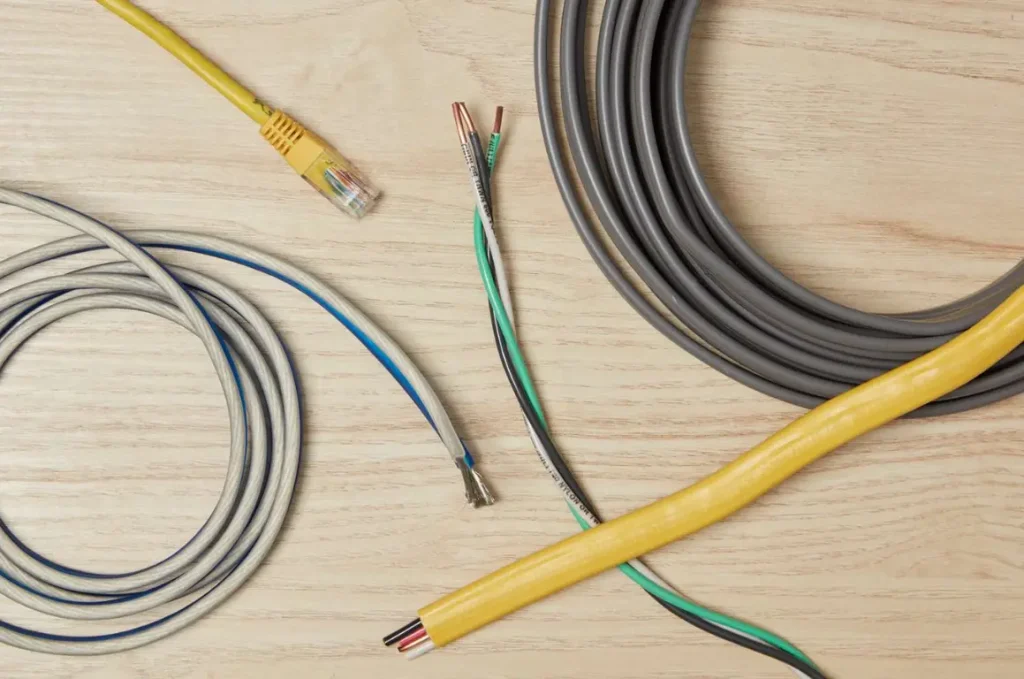
For different applications, several types of cables are used.
1. Ethernet Cable
Low-voltage cables are the ones that are most prevalent in today’s buildings, and they are Ethernet cables. They support:
- Internet Access
- Computer Networks
- Security Systems
- Smart Devices
2. Coaxial Cable
Coaxial cables are used in the following situations:
- Television Systems
- Satellite Systems
- CCTV Cameras
3. Fiber Optic Cable
Fiber optic cables offer:
- Very Fast Data Rates
- Long-Distance Communication
- Reliable Network Performance
4. Speaker Wire
Speaker wire supports:
- Home Theaters
- Commercial Audio Systems
- Public Address Systems
5. Security System Cable
Security cables connect:
- Alarm Panels
- Motion Sensors
- Access Control Systems
- Surveillance Equipment
6. Thermostat Wire
Common uses of thermostat wiring:
- Hvac Controls
- Heating Systems
- Cooling Systems
- Smart Thermostats
Ethernet Cables
Ethernet cables are among the most common low voltage cables that can be used for the utilization of modern network systems.
- Cat5e provides up to 1 Gigabit, which is generally used for residential and small businesses.
- Cat6 cables offer higher speeds and performance for larger networks.
- Cat6A has higher bandwidth and longer transmission distances.
- Cat7 cables provide better shielding and less interference.
- Cat8 cables are designed to transmit data at extremely high speeds and are commonly found in data centers.
1. Choosing the Right Ethernet Cable
Some factors to take into account are:
- Network Speed Requirements
- Environmental Conditions
- Future Expansion Plans
- Budget
The longer the distance a cable is run, the further it extends. Choosing the right Ethernet cable is essential for achieving optimal network performance in the long term.
Low Voltage Wiring Connectors
Connectors play a crucial role in establishing stable and secure connections between cables and devices. Common types of connectors are:
1. RJ45 Connectors
For Ethernet networking and Internet systems.
2. Keystone Jacks
Mounted in structured cabling wall plates and patch panels.
3. BNC Connectors
Frequently used in CCTV and coax video applications.
4. Terminal Blocks
For controlled multi-wire connections.
5. Punch-Down Blocks
Commonly used in tele & data distribution systems.
6. Crimp Connectors
Used to securely attach connectors to cable ends.
7. Wire Nuts
It is used to join the compatible low voltage conductors together in the junction points.
Different types of connectors are selected according to the system design, cable type, and installation requirements.
Common Uses of Low Voltage Wiring

There are many technologies that are available on low voltage systems. Common applications include:
1. Security Cameras
Security camera systems use low voltage wiring for power and communications.
2. Alarm Systems
Low-voltage cables are used in alarm systems to link the sensors, control panels, and alarm monitoring devices.
3. Access Control Systems
These systems control entry to the building by card readers, keypads, and electronic locks.
4. Smart Homes
Smart home gadgets are interconnected and control home activities at low voltage.
5. Basic Audio and Video Systems
Low voltage wiring is commonly used in home theatres, conference rooms, and entertainment systems.
6. Intercom Systems
Intercoms are used to communicate between rooms of a building.
7. Telephone Systems
Low voltage communications cables continue to be a vital component of business phone systems.
8. Building Automation
Low voltage systems are utilized in modern buildings to control lighting, HVAC, security, and energy management.
What Types of Businesses Benefit from Low Voltage Wiring?
Low voltage infrastructure is needed in almost all industries.
1. Offices
Low voltage wiring is employed in offices for:
- Computer Networks
- Phone Systems
- Security Systems
- Conference Rooms
2. Retail Stores
Retailers depend upon:
- Point-Of-Sale Systems
- Security Cameras
- Customer Wi-Fi
- Inventory Systems
3. Hotels
Low voltage systems are used by hotels for:
- Guest Internet Access
- Security Monitoring
- Room Automation
- Communication Systems
4. Hospitals
Communication and monitoring systems are essential for healthcare facilities.
5. Schools
Low voltage wiring is used in education facilities for:
- Classroom Technology
- Security Systems
- Communication Networks
6. Warehouses
Networking and security systems are used in warehouses to enhance their operations.
7. Manufacturing Facilities
Low voltage systems are used for automation and monitoring the operation of the production line.
8. Data Centers
Structured cabling and high-performance networking systems are critical to the functioning of data centers.
How To Install Low Voltage Wiring for a Doorbell?
One of the most frequently-installed low voltage systems in residential buildings is doorbell systems.
Step-by-step process:
Step 1: Turn Off Power
Make sure that the area is electrically safe before installation.
Step 2: Install Transformer
Install the transformer and power it up.
Step 3: Run Low Voltage Cable
Install wiring from the transformer to the doorbell.
Step 4: Connect Doorbell Button
Connect wires to the outside button terminals.
Step 5: Connect the Chime Unit
Install the chime or alarm system in the house.
Step 6: Mass, Energy, and Momentum Balances
Re-establish power and verify functionality.
Benefits of Low Voltage Wiring
There are several benefits to low voltage systems:
- Lower Energy Consumption
- Improved Connectivity and Communication
- Easier System Upgrades
- Increased Design Flexibility.
- Enhanced Automation Capabilities
- Improved Safety
- Reduced Operational Costs
The advantages of low voltage wiring make it a crucial component of today’s building construction.
Safety Advantages of Low-Voltage Electrical Wiring
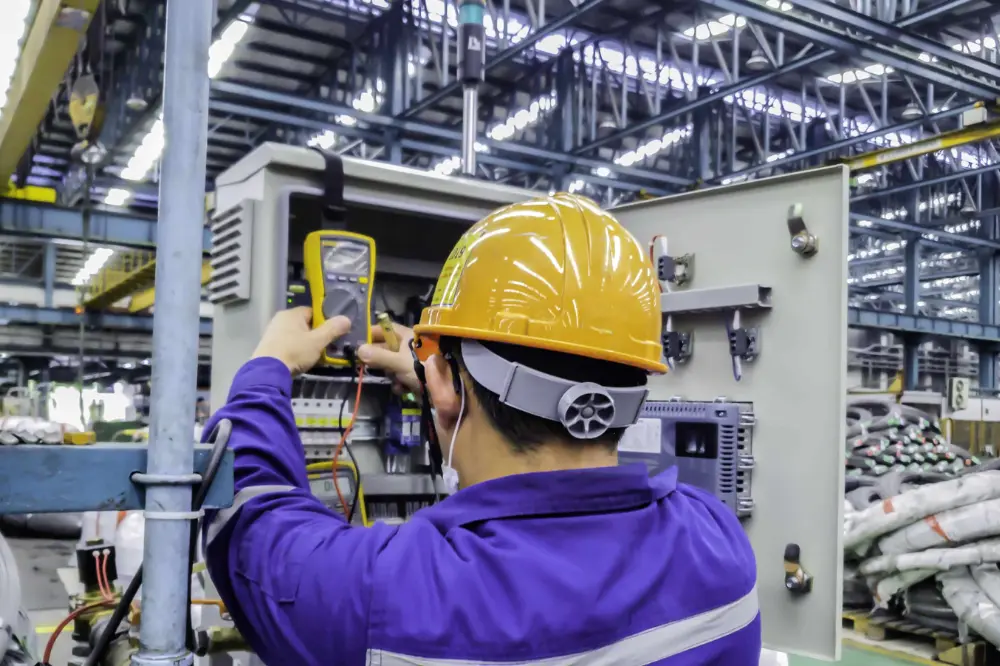
Low voltage electrical wiring has a number of advantages, including safety. Low voltage systems are safer than high-voltage systems. Key safety benefits are:
- Lower Chances of Electric Shock
- Reduce Fire Hazard Potential
- Said to Be Safer to Install and Maintain.
- Reduced Heat Generation
- Improved System Stability
- Although Safer, Correct Installation Procedures Should Be Observed.
Future of Low Voltage Systems
Today, low voltage wiring continues to be updated with advanced technology. Future trends include:
- Smart Building Automation
- Internet of Things (ioT) Integration
- AI-Driven Security Systems
- High-Speed Fiber Optic Expansion.
- Wireless and Hybrid Network Systems
- Advanced Energy-Efficient Infrastructure
In the next generation of buildings, these systems are going to be increasingly important.
Conclusion
Low voltage wiring installation is an essential component of contemporary infrastructure, working behind the scenes for communication and security systems, automations, and networks in homes and businesses. Knowing the different types of wiring and how they are installed, the connectors used, how they are protected, how they are tested, and the safety precautions will ensure reliable performance and long-term efficiency. When planned and executed properly, low voltage systems provide safer, smarter, and more connected areas.
FAQs
1. What Is Low Voltage Wiring Used For?
Low voltage wiring is typically employed in communication, security, automation, and networks, including internet connections, CCTV cameras, intercoms, alarms, and smart home devices.
2. Is Low Voltage Wiring Safe?
Yes. Has a significantly lower electrical current than regular wiring, lowering the risk of electric shock and fires if it is installed correctly.
3. Is Low Voltage Wiring Possible in The Existing Building?
Yes. It can be installed without substantial changes to existing structures such as walls, ceilings, attics, crawl spaces, and surface-mounted raceway.
4. How Long Does Low Voltage Wiring Last?
If high-quality low-voltage cable is installed, used under the right conditions, and protected from the wrong environment, the cables can last between 10 years and the rest of the life of the building.
5. Is It Necessary to Hire a Professional to Install the Low-Voltage Wiring?
Depending on the complexity, situations such as structured cabling, security network, or commercial installations require professionals for reliability and compliance, while simple systems can be DIY projects.
6 .What Is the Difference Between Ethernet and Low-Voltage Wiring?
Low voltage wiring refers to a wide range of power and communication/control cables that are used primarily in networking, but Ethernet is just one of the many types of low voltage wiring.
7. What Is the Cost of Installing Low-Voltage Wiring?
The prices are dependent on the type of system, size, and complexity of the building, but residential systems are typically less expensive than commercial or industrial.